
Group Health vs. Dental/Vision: Cost-Benefit for Small Business Owners
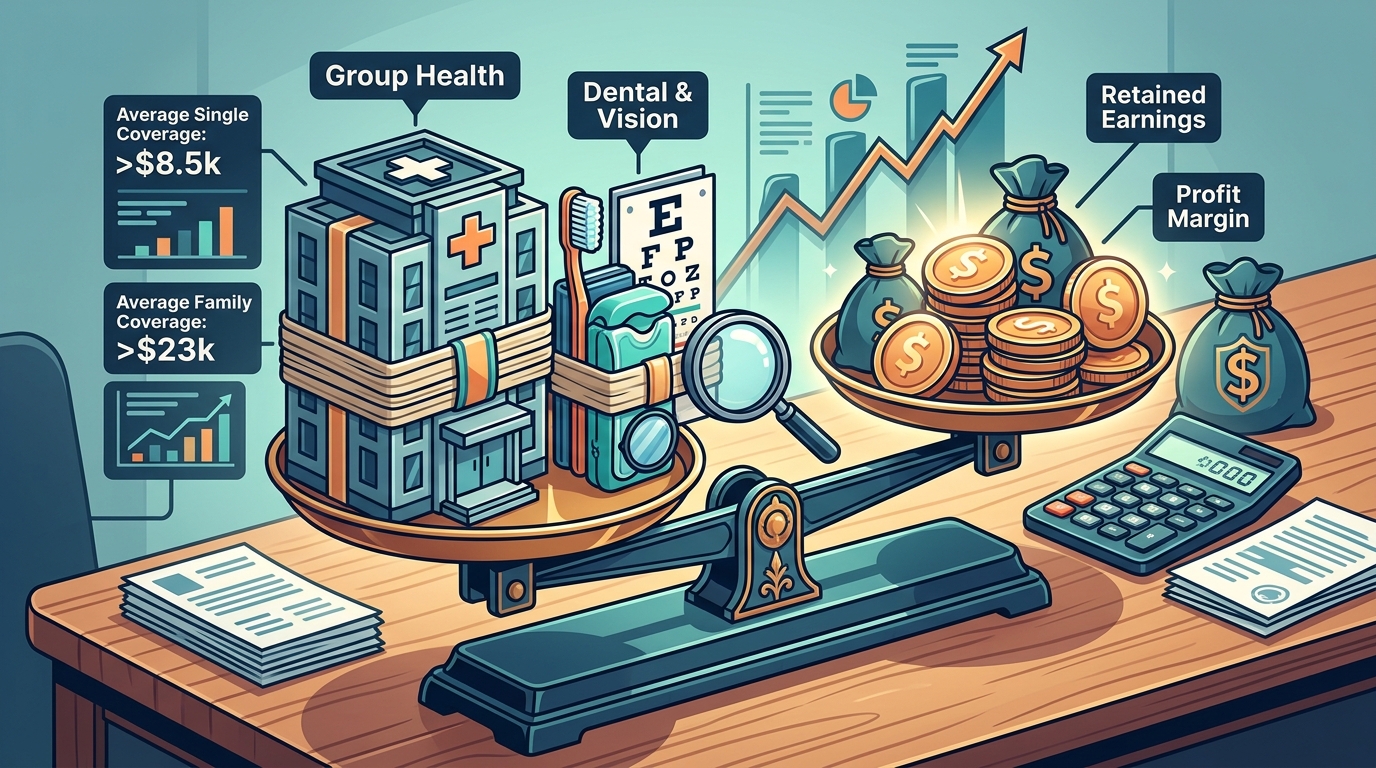
Small business owners face a critical financial decision every year when structuring employee benefits. The average cost of employer-sponsored health insurance has risen steadily, placing significant pressure on profit margins. According to recent industry data, the average annual premium for single coverage in the United States exceeds $8,500, while family coverage often surpasses $23,000. This financial burden forces many entrepreneurs to question whether they should bundle comprehensive medical coverage with dental and vision plans or treat them as separate line items. Understanding the cost-benefit ratio of each option is essential for maintaining cash flow while attracting top talent.
Understanding Group Health Insurance Costs
Group health insurance serves as the backbone of most employee benefit packages. It provides coverage for medical services, including doctor visits, hospital stays, and prescription drugs. For small business owners, the primary challenge is managing the escalating premiums while ensuring adequate coverage for the team.
Group health plans are typically structured around a shared risk pool. This means that the insurance company calculates premiums based on the collective health profile of the employees. Younger, healthier employees help balance out the costs of those who require more frequent care. This mechanism allows small businesses to access rates that would be impossible for individuals to secure on their own.
However, the cost of group health insurance is not static. Factors such as age, location, and industry risk profile influence the final price. In 2024, many small businesses reported a 10 to 15 percent increase in premiums compared to the previous year. This volatility requires business owners to be proactive in reviewing their policies annually.
At Generational Wealth Concepts, we emphasize that health insurance is just one component of a broader financial strategy. While it protects against catastrophic medical events, it does not address long-term wealth building. Business owners must balance the immediate cost of health coverage with the long-term goal of financial independence.
The Value of Separate Dental and Vision Plans
Dental and vision insurance are often viewed as secondary benefits. However, they play a crucial role in overall employee well-being and retention. Many employees prioritize these benefits because they address frequent, everyday needs that group health plans typically exclude.
Dental insurance covers routine cleanings, fillings, and major procedures like root canals or crowns. Without this coverage, employees may delay necessary care, leading to more expensive treatments later. Vision insurance covers eye exams, glasses, and contact lenses. These services are essential for maintaining productivity and quality of life.
Separating dental and vision from group health offers several advantages. First, it allows for more flexible plan design. You can choose different carriers for each service to maximize coverage and minimize cost. Second, it prevents the dilution of health benefits. If dental and vision are bundled, the overall premium may increase, but the core health coverage might not improve proportionally.
For small business owners, the cost of separate dental and vision plans is generally lower than adding them to a group health policy. This separation provides greater control over the benefits budget. It also allows for easier comparison of providers and plan features.
Bundling vs. Separate Policies: A Cost Analysis
The decision to bundle or separate benefits comes down to cost, convenience, and coverage quality. Each approach has distinct pros and cons that impact the bottom line.
| Feature | Bundled Health, Dental, and Vision | Separate Group Health and Dental/Vision |
|---|---|---|
| Premium Cost | Often higher due to administrative fees and broader coverage scope. | Can be lower by selecting specialized, cost-effective carriers for each. |
| Administrative Complexity | Single point of contact for all claims and billing. | Requires managing multiple carriers and renewal dates. |
| Coverage Flexibility | Limited ability to customize individual benefit components. | High flexibility to adjust dental or vision coverage independently. |
| Employee Perception | Perceived as a comprehensive, premium benefit package. | May require clear communication to highlight the value of each plan. |
Bundled plans offer simplicity. One carrier handles all claims, reducing administrative overhead for the business owner. This convenience can be valuable for small teams with limited HR resources. However, the cost premium for this simplicity can be significant.
Separate policies require more management but often yield better financial outcomes. By shopping around for the best dental and vision carriers, you can secure robust coverage at a lower cost. This approach aligns with the principles of privatized banking, where strategic allocation of capital leads to greater efficiency and growth.
Tax Advantages and Financial Leverage
One of the most compelling reasons for small business owners to offer health benefits is the tax advantage. Premiums paid for employee health insurance are generally tax-deductible as a business expense. This deduction can significantly reduce the net cost of providing coverage.
For example, if your business pays $10,000 in annual health premiums and you are in the 25 percent tax bracket, the effective cost is only $7,500. This tax shield makes the investment in employee health more affordable than it appears on the surface.
Additionally, offering health benefits can help attract and retain talented employees. In a competitive job market, a robust benefits package is a key differentiator. The cost of recruiting and training new staff often exceeds the cost of maintaining current benefits. Therefore, the return on investment for health insurance extends beyond immediate medical coverage.
At Generational Wealth Concepts, we help business owners understand the full financial picture. We explore how health insurance fits into a broader strategy that includes retirement planning and wealth preservation. By leveraging tax advantages and strategic planning, you can maximize the value of your benefits budget.
Choosing the Right Path for Your Business
There is no one-size-fits-all solution for small business benefits. The right choice depends on your budget, employee needs, and long-term goals. Consider the following factors when making your decision.
First, assess your employees' needs. Do they prioritize comprehensive medical coverage, or do they value dental and vision benefits more? Surveying your team can provide valuable insights into their preferences.
Second, evaluate your budget. Calculate the total cost of bundled versus separate plans, including administrative time and potential tax savings. Use this analysis to determine which option offers the best value.
Third, consider your long-term financial strategy. If you are focused on building wealth and achieving financial independence, you may prefer to keep benefits costs as low as possible while maintaining adequate coverage. This approach allows you to allocate more resources toward growth and investment.
For personalized guidance, schedule a free strategy session with our team. We can help you navigate the complexities of small business insurance and develop a plan that supports your financial goals.
Key Takeaways
- Group health insurance premiums have risen significantly, with average single coverage exceeding $8,500 annually.
- Separate dental and vision plans offer greater flexibility and often lower costs than bundled options.
- Tax deductions for employer-paid premiums can reduce the net cost of health benefits by 20 to 30 percent.
- Bundled plans simplify administration but may come with a higher premium cost.
- Strategic benefit design aligns with broader wealth-building goals, such as those discussed in privatized banking strategies.
- Employee retention is heavily influenced by the quality and comprehensiveness of the benefits package.
- Regular review of insurance policies is essential to ensure continued value and cost-effectiveness.
Frequently Asked Questions
Is it cheaper to bundle dental and vision with group health?
Bundling can sometimes offer a lower combined premium due to carrier discounts, but it often lacks the flexibility to optimize each component. Separate plans allow you to select the best value for each specific need.
How do tax deductions work for small business health insurance?
Employers can typically deduct 100 percent of the premiums paid for employee health insurance as a business expense. This deduction reduces taxable income, effectively lowering the cost of the benefits.
What is the average cost of dental insurance for small businesses?
The average annual cost for dental insurance varies by region and carrier, but it generally ranges from $300 to $600 per employee per year. Vision insurance is often less expensive, averaging $100 to $200 annually.
Can I offer health insurance if I have only a few employees?
Yes, small businesses with as few as two employees can offer group health insurance. However, minimum participation requirements may apply, where a certain percentage of eligible employees must enroll.
How does privatized banking relate to business insurance?
Privatized banking involves using permanent life insurance policies to build cash value and access capital. This strategy complements business insurance by providing a parallel wealth-building vehicle that is not tied to market volatility.
What are the benefits of separate dental and vision plans?
Separate plans allow for customized coverage, potentially lower costs, and the ability to switch carriers independently. This flexibility helps businesses optimize their benefits budget.
When should I review my business insurance policy?
You should review your policy annually during the open enrollment period. Additionally, review it whenever there are significant changes in your business structure, employee count, or financial goals.
Take Control of Your Business Benefits
Managing small business insurance is a complex task that requires careful consideration of costs, coverage, and long-term financial goals. By understanding the differences between group health and dental/vision plans, you can make informed decisions that benefit both your business and your employees.
At Generational Wealth Concepts, we provide the expertise and guidance you need to navigate this landscape. From insurance services to retirement planning, we help you build a comprehensive financial strategy.
Do not leave your financial future to chance. Schedule a free strategy session today to explore how we can help you achieve financial independence and protect your legacy.