

Key Factors Influencing Premium Costs
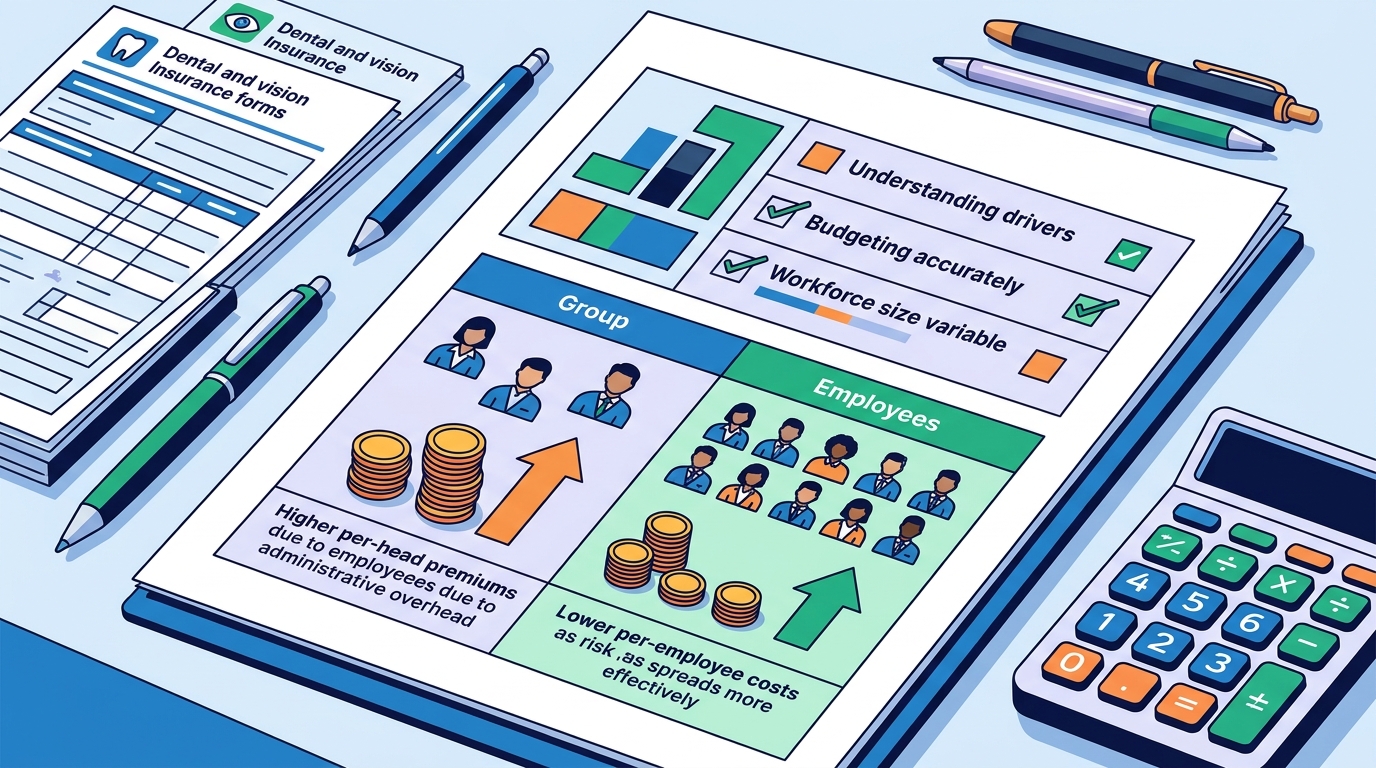
Understanding what drives costs helps owners budget accurately. The size of your workforce is among the most significant variable. Small groups with fewer than 10 employees often face higher per-head premiums due to higher administrative overhead and risk concentration. As the group size increases, carriers can spread risk more effectively, often lowering the per-employee cost. For additional details, review the life.
Geographic location also plays a critical role. Healthcare costs in major metropolitan areas like New York or San Francisco are substantially higher than in rural regions. A plan in Texas may cost less than an identical plan in California due to differences in provider networks and local medical inflation. Owners must account for these regional disparities when comparing quotes. For additional details, review the .
Plan design choices directly impact the bottom line. Deductibles, out-of-pocket maximums, and coverage percentages for major procedures all shift the premium price. A plan with a lower deductible typically commands a higher monthly premium. Conversely, a high-deductible plan reduces monthly costs but increases the employee's financial responsibility for major work.
Dental and Vision Plan Structures
Budgeting for Employee Benefits
Owners must decide how much of the premium to cover. Many small businesses pay 50% to nearly all of the employee premium. Some owners pay the full cost to attract talent, while others split the cost to manage expenses. The employer contribution is a tax-deductible business expense. This deduction can offset the cost of the benefits significantly.
Consider the total cost of ownership, not just the premium. Employees may still face out-of-pocket costs for services not fully covered. If a plan has a high out-of-pocket maximum, employees might delay necessary care. This can lead to higher long-term healthcare costs for the business. A balanced plan design helps maintain employee health and satisfaction.
Generational Wealth Concepts advises owners to review benefits annually. Inflation and provider fee increases can raise premiums year over year. Regular reviews ensure the plan remains competitive and affordable. Adjusting the plan design or switching carriers can help control costs over time. according to Level of Care
Tax Implications and Employer Responsibilities
Employer-paid health insurance premiums are generally tax-deductible. This includes dental and vision coverage. The deduction reduces the business's taxable income. Owners should consult with a tax professional to ensure proper reporting. Accurate record-keeping is essential for claiming these deductions.
Some states offer tax credits for small businesses that provide health insurance. These credits can offset a portion of the premium costs. Eligibility depends on the number of employees and average wages. Owners should check their state's specific programs to see if they qualify. These incentives can make benefits more affordable for small firms.
Tips for Selecting the Right Plan
Survey your employees to understand their needs. Some may prioritize dental work, while others focus on vision care. Tailoring the plan to employee preferences can improve satisfaction. A plan that meets the needs of the majority is more likely to be well-received. This feedback loop helps refine future benefits decisions.
Review the carrier's financial stability. A stable carrier is more likely to honor claims and maintain service levels. Check ratings from independent agencies to assess financial health. A strong carrier provides peace of mind for both the business and its employees. This due diligence is a critical step in the selection process.
Key Takeaways
- Group size and geographic location are the primary drivers of premium costs.
- Bundled dental and vision plans often save 5% to 10% compared to separate policies.
- Employer-paid premiums are generally tax-deductible business expenses.
- Review benefits annually to manage inflation and maintain competitiveness. according to Level of Care
- Survey employees to align plan design with their specific healthcare needs.
Frequently Asked Questions
How much does dental insurance cost for a small business?
Is vision insurance worth it for small businesses?
Can I deduct dental and vision premiums from my taxes?
Yes, employer-paid premiums for dental and vision insurance are generally tax-deductible. Consult a tax professional for specific reporting requirements.
How many employees do I need to get group rates?
Do I have to offer dental and vision to all employees?
Conclusion
Managing dental and vision costs is a key part of building a sustainable small business. By understanding the factors that drive premiums, owners can make informed decisions. Generational Wealth Concepts is here to help you navigate these choices. We provide expert guidance on insurance and protection strategies. To discuss your specific needs, today.