
Small business owners face a unique intersection of personal and professional financial risk. According to the U.S. Small Business Administration, approximately 20% of small businesses fail within the first year, and many more struggle with cash flow volatility that impacts personal debt obligations. This reality makes understanding the difference between mortgage protection and debt protection insurance critical for any entrepreneur seeking to safeguard their assets. While both products aim to provide financial security, they serve fundamentally different purposes and operate under distinct policy structures. One focuses on preserving real estate equity, while the other addresses broader liability coverage. Choosing the wrong instrument can leave a business owner exposed to significant financial gaps during critical life events.
Understanding the Basics of Protection Plans
Before diving into the specifics, it is essential to define the core mechanisms of these insurance products. Mortgage protection insurance is a type of life insurance designed to pay off the remaining balance of a mortgage if the insured person dies or becomes disabled. Debt protection insurance, often referred to as credit life insurance or disability income insurance, is broader in scope. It covers various debts, including credit cards, business loans, and personal lines of credit. The primary distinction lies in the scope of coverage and the flexibility of the payout.
For small business owners, the line between personal and business finances is often blurred. Many entrepreneurs use their homes as collateral for business loans. In these scenarios, the need for protection extends beyond just the house. It encompasses the entire financial ecosystem of the business. Understanding how each policy interacts with business liabilities is the first step in making an informed decision.
Mortgage Protection: Securing Your Real Estate
Mortgage protection insurance is a specialized form of term life insurance. Its sole purpose is to ensure that your family or business partners can keep the home if you are no longer able to make payments. This is particularly relevant for small business owners who have leveraged their personal assets to secure business funding. If the business fails, the home might be the only remaining asset. Mortgage protection ensures that this asset is not lost due to unpaid debts.
Mortgage protection insurance is a policy that pays the outstanding balance of a home loan upon the death or disability of the insured. This definition highlights its singular focus. The coverage amount typically decreases over time, matching the amortization schedule of the mortgage. This declining balance feature makes it more affordable than level-term life insurance but also means it does not build cash value.
One of the primary advantages of mortgage protection is its simplicity. The underwriting process is often less rigorous than that of standard life insurance, making it accessible for business owners with complex financial profiles. However, this accessibility comes with limitations. The payout is restricted to the mortgage lender. If you have other debts, such as business loans or credit card balances, they remain unpaid. This can create a financial burden for your heirs or business partners.
Debt Protection: Covering the Full Liability
Debt protection insurance offers a more comprehensive safety net. It is designed to cover multiple types of debt, not just real estate. This includes business loans, equipment financing, and personal lines of credit. For small business owners, this breadth of coverage is often more aligned with their actual financial risks. Business owners frequently juggle multiple debt instruments to keep operations running. A single policy that addresses all these liabilities can provide greater peace of mind.
Debt protection insurance is a financial product that covers various liabilities, including business loans and credit cards, in the event of death or disability. This definition underscores its versatility. Unlike mortgage protection, which pays a specific lender, debt protection can be structured to pay off multiple creditors. This flexibility allows for a more holistic approach to financial planning.
Another key benefit of debt protection is its potential to cover business-specific debts. Many small business owners take out loans to fund expansion or manage cash flow. If the owner becomes disabled, the business may struggle to make payments. Debt protection can step in to cover these obligations, preventing default and protecting the business's credit rating. This is crucial for maintaining business continuity during difficult times.
Key Differences and Decision Factors
Choosing between mortgage protection and debt protection requires a careful analysis of your specific financial situation. The decision should be based on the nature of your debts, your risk tolerance, and your long-term goals. Consider the following factors when evaluating your options.
Scope of Coverage
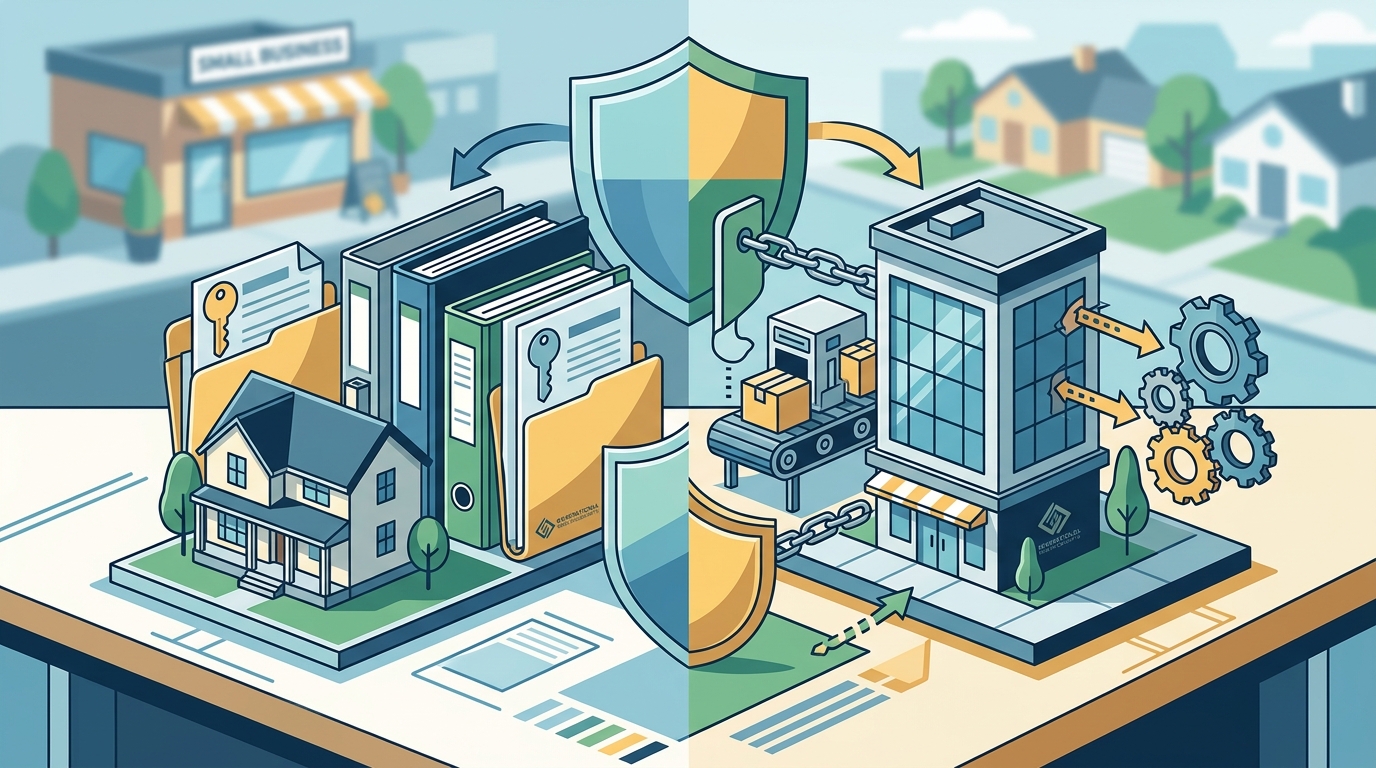
Mortgage protection is limited to real estate debt. If you have significant business loans or credit card debt, this policy will not address those liabilities. Debt protection, on the other hand, covers a wider range of debts. This makes it a more suitable option for business owners with diverse financial obligations. If your primary concern is keeping the home, mortgage protection may suffice. If you need to protect the entire business and personal financial structure, debt protection is likely the better choice.
Flexibility and Payout
Mortgage protection policies pay the lender directly. This ensures the debt is cleared but offers no flexibility for other expenses. Debt protection can be structured to pay the estate or the business entity, allowing for more strategic use of the funds. This flexibility is valuable for covering business expenses, paying off other debts, or providing liquidity to family members. The ability to direct the payout is a significant advantage of debt protection.
Cost and Affordability
Mortgage protection is generally more affordable due to its declining balance feature. Debt protection may have higher premiums, especially if it covers multiple debts or includes disability benefits. However, the cost should be weighed against the value of the coverage. For a small business owner, the cost of losing a business loan or facing credit default can far exceed the premium of a comprehensive debt protection policy. It is essential to compare quotes from multiple providers to find the best value.
Comparison Table
The following table summarizes the key differences between mortgage protection and debt protection insurance to aid in your decision-making process.
| Feature | Mortgage Protection Insurance | Debt Protection Insurance |
|---|---|---|
| Primary Purpose | Pay off home mortgage balance | Cover multiple debts (loans, credit cards) |
| Coverage Scope | Real estate only | Business and personal liabilities |
| Payout Recipient | Mortgage lender | Estate, business, or creditors |
| Flexibility | Low (restricted to mortgage) | High (can address various debts) |
| Best For | Homeowners with minimal other debt | Business owners with complex liabilities |
Key Takeaways
- Mortgage protection is a specialized policy for real estate debt, while debt protection covers broader liabilities.
- Small business owners often have complex debt structures that require comprehensive coverage.
- Debt protection offers greater flexibility in how funds are used after a claim.
- Mortgage protection is typically more affordable but offers limited scope.
- Business continuity is often better supported by debt protection insurance.
- Both policies can help protect personal assets from business risks.
- Consulting with a financial advisor is crucial for determining the right mix of coverage.
Frequently Asked Questions
Can debt protection insurance cover business loans?
Yes, debt protection insurance can be structured to cover business loans. This is particularly important for small business owners who rely on personal guarantees for business financing. The policy can help ensure that business debts are paid if the owner becomes disabled or passes away.
Is mortgage protection insurance the same as life insurance?
No, mortgage protection insurance is a type of term life insurance but with a specific purpose. It is designed to pay off the mortgage balance, whereas standard life insurance provides a lump sum that can be used for any purpose. Mortgage protection policies often have declining coverage amounts.
Which option is better for a new small business?
For a new small business, debt protection insurance is often more beneficial. New businesses typically have higher debt levels and less established cash flow. Covering a broader range of liabilities provides a stronger safety net during the critical early years of operation.
Do I need both types of insurance?
In some cases, having both can be advantageous. Mortgage protection ensures the home is secure, while debt protection covers other debts. However, this depends on your budget and risk profile. A comprehensive financial plan should evaluate whether the combined cost is justified by the level of protection.
How does disability coverage work in these policies?
Many debt protection policies include disability riders that pay benefits if you become unable to work. Mortgage protection may also offer disability coverage, but it is often more limited. It is important to review the specific terms of the policy to understand the definition of disability and the benefit period.
Can I cancel debt protection insurance at any time?
Yes, you can typically cancel debt protection insurance at any time. However, you may lose any premiums paid, and obtaining new coverage later could be more expensive due to age or health changes. It is advisable to keep coverage as long as you have significant debts.
What happens to the business if the owner dies?
If the owner dies without adequate protection, the business may struggle to survive. Debt protection insurance can provide the liquidity needed to pay off debts, allowing the business to continue or be sold. This is crucial for preserving the value of the business for heirs or partners.
Next Steps for Your Business
Securing the right insurance coverage is a critical component of small business risk management. At Gen Wealth Concepts, we specialize in helping business owners navigate these complex financial decisions. Our team provides personalized guidance to ensure your assets and business interests are protected. Explore our comprehensive financial planning services to learn how we can assist you. Learn more about our approach to wealth preservation and our commitment to client success. Read our latest insights on business finance for additional resources. Contact us today to schedule a consultation and take the first step toward financial security. Download our free guide on business debt management to start planning now.